Grease in Kitchen Drains: Why Snaking Keeps Failing You
A cable bores a hole through the middle of a grease coating and leaves the coating exactly where it was. That is why the interval between your kitchen clogs keeps getting shorter.
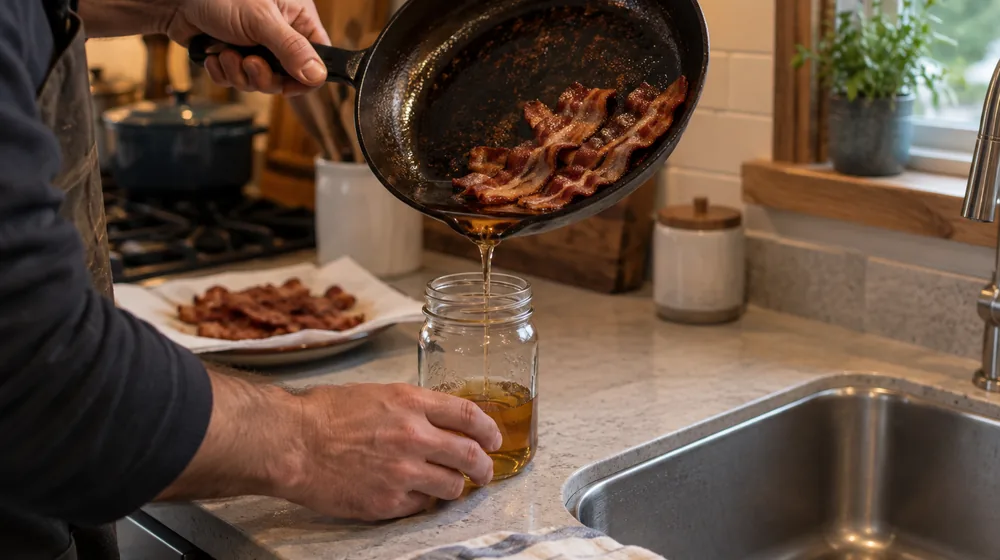
What grease actually does in an Oregon drain line
Cooking fat goes down warm and liquid. It then meets the temperature of the pipe, and in Oregon the soil around a buried lateral sits in the 40s and low 50s Fahrenheit for most of the year. The fat congeals onto the pipe wall in a layer.
It does not form a plug. It forms a tube — a coating around the full circumference that narrows the bore a little more each month. The clog you eventually notice is just the point where the tube finally closed, and it will close again in the same place.
This is why the pattern is so recognisable: eighteen months, then twelve, then eight. Each cabling restores the channel and removes none of the coating, so the remaining bore is smaller every time.
The chemistry is worth one sentence, because it explains why hot water does not save you. Fats saponify slightly on contact with alkaline residues from detergent, producing a harder, more adherent deposit than the original fat. The technical name for the extreme version of this is a fatberg, and the domestic version is sitting in a lot of Oregon kitchen lines right now.
Why a cable cannot solve it
A cable machine is a mechanical tool. It removes an obstruction — a hairball, a root mass, a dropped object. It is genuinely the right tool for those and it clears them fast and cheaply.
What it cannot do is clean a pipe wall. There is nothing for a cutter head to grab on a smooth full-circumference coating; it simply passes through the channel it opens. After a cabling, a camera shows a narrow bore through a thick pale tube. After hydro jetting, the same camera shows bare pipe wall.
That difference is the entire argument. Jetting costs more once and less over five years, and it converts a recurring annual problem into a two-to-five-year interval.
The five-year arithmetic
| Cable it each time | Jet it once, then maintain | |
|---|---|---|
| Year 1 | $220 | $550 |
| Year 2 | $220 | — |
| Year 3 | $220 (interval shortening) | — |
| Year 4 | $220 × 2 | $550 |
| Year 5 | $220 × 2 | — |
| 5-year total | ≈ $1,540 | ≈ $1,100 |
| Bore condition at year 5 | Worse than year 1 | Effectively as-new |
| Emergency backup risk | Present throughout | Low |
Those figures are illustrative rather than a quote, and the exact numbers depend on your line. But the shape of the curve is reliable, and it is the shape that matters: cabling a coated line has a rising cost trajectory because the intervals compress, while jetting has a flat one.
The line item that does not appear in the table is the one that usually decides it — a single backup onto a finished floor, with the remediation that follows, costs more than the entire five-year difference.
Commercial kitchens are the same problem at ten times the volume
A restaurant line carries grease loads a residential system never approaches, and downtime costs far more than the invoice. Oregon kitchens that hold a scheduled jetting interval — commonly quarterly to semi-annual depending on fryer volume and run length — essentially stop having emergency backups.
Two things make this cheaper than it sounds. The interval is set from what the first camera pass shows rather than from a generic schedule, and the work can be done overnight so service is never interrupted. A low-volume cafe may genuinely need only an annual visit, and should be told so rather than sold a quarterly contract.
Grease interceptors are a separate obligation and a common source of confusion. A properly sized and regularly pumped interceptor captures most fat before it reaches your line — but an interceptor that is overdue for pumping stops working entirely and passes everything downstream, which is when kitchens that "have a grease trap" discover a blocked lateral. Pumping schedules are typically set by your local jurisdiction; check yours rather than assuming.
For multi-tenant buildings and food halls, the shared line is the failure point. One tenant's practices become everyone's backup, and the building owner usually ends up funding a jetting programme for the common run regardless of who caused it.
What to actually do at home
- Pour cooled fat into a jar, not the sink. Bacon grease, roasting fat, fryer oil. This is the whole prevention strategy and it works.
- Wipe greasy pans with a paper towel before washing.
- Hot water does not solve it. It moves the fat further down the line, where it cools and deposits somewhere less accessible — and somewhere more expensive to reach.
- A garbage disposal does not help. It grinds solids; it does nothing to fat, and the food particles it produces bind readily into an existing grease layer.
- Dish soap does not "dissolve" grease down the drain. It emulsifies it temporarily in warm water. Once the mixture cools in the pipe, the fat comes back out of suspension and deposits anyway.
- If it has clogged twice in two years, stop paying for cabling. Get the line jetted and cameraed, and you will likely not think about it again for several years.
The worst offenders, ranked
| What goes down | Damage | Note |
|---|---|---|
| Bacon and roasting fat | Severe | Solid at pipe temperature. The single biggest cause. |
| Fryer and cooking oil | Severe | Liquid in the pan, viscous and adherent in a cold line. |
| Butter, cream, cheese sauces | High | Dairy fats congeal as readily as animal fat. |
| Coffee grounds | High | Do not break down; bind into existing grease layers. |
| Eggshells | Moderate | Membrane wraps around disposal parts; shards bed into grease. |
| Pasta, rice, oats | Moderate | Continue absorbing water and swelling downstream. |
| Fibrous vegetable waste | Moderate | Celery, artichoke and corn husk tangle in the disposal. |
| Flour and batter residue | Moderate | Forms a paste that sets against a greasy wall. |
Holiday season is the annual stress test
Kitchen line failures in Oregon cluster around Thanksgiving and Christmas, and the reason is not mysterious.
A turkey produces a large volume of hot fat that gets poured somewhere. Households cook for more people than usual, often with guests helping who do not know the house rules. Dishwashers run several times a day rather than once. And it happens during the coldest part of the year, when the ground around the lateral is at its most effective at congealing whatever arrives.
The line that has been quietly narrowing all year is the one that closes on the day you have twelve people in the house. It is a genuinely bad time to need an emergency plumber, and after-hours holiday dispatch carries the highest premium there is.
If your kitchen line has clogged in either of the last two years, having it jetted in October is the cheapest insurance available. It is a scheduled appointment at standard rates instead of a holiday emergency, and the difference is usually several hundred dollars before you count the ruined day.
When the answer is not grease at all
Two things masquerade as a grease problem and need a different fix.
Cast iron corrosion. In Oregon homes built before about 1975, kitchen branch lines are frequently cast iron, and after fifty years the interior has corroded rough and scaled. That rough surface catches grease far faster than smooth pipe would, so the symptom looks identical — but the cause is the pipe, not the cooking. Jetting cleans it and buys time; it does not restore the wall. A camera pass distinguishes them in minutes.
A venting problem. If the sink gurgles, drains slowly, and empties in surges even when the line has just been cleared, the issue may be air rather than obstruction. A blocked or improperly configured vent starves the drain of air and it behaves like a partially blocked line. Cabling it repeatedly achieves nothing, because there was never anything in the way.
Both are worth ruling out before committing to a jetting schedule. See drain cleaning for how the diagnosis is made, or run our clog symptom diagnostic first.
Do enzyme and bacterial treatments work?
Partially, and the honest answer has a clear boundary.
They do not clear an existing clog. If your sink is backed up right now, an enzyme product will not fix it. The treatment needs contact time with the deposit and a functioning flow to distribute it, and a blocked line offers neither. Products marketed for emergency use in this category are overselling.
They can slow re-accumulation. Bacterial cultures digest fats and organic matter, and used monthly on a line that has been properly cleaned first, they measurably extend the interval before a coating rebuilds. The technique that works is a dose last thing at night, so it sits in the line for hours rather than being flushed straight through.
Caustic chemical cleaners are a different product entirely and remain a bad idea: they do not reach the obstruction in a blocked line, they can deform PVC and accelerate cast iron corrosion, and they create a genuine hazard for whoever opens the pipe.
The sensible sequence is jet the line properly once, then maintain it with an enzyme product and the jar-of-fat habit. Treatment without cleaning is applying maintenance to a problem that has already outgrown it.
Services mentioned in this guide
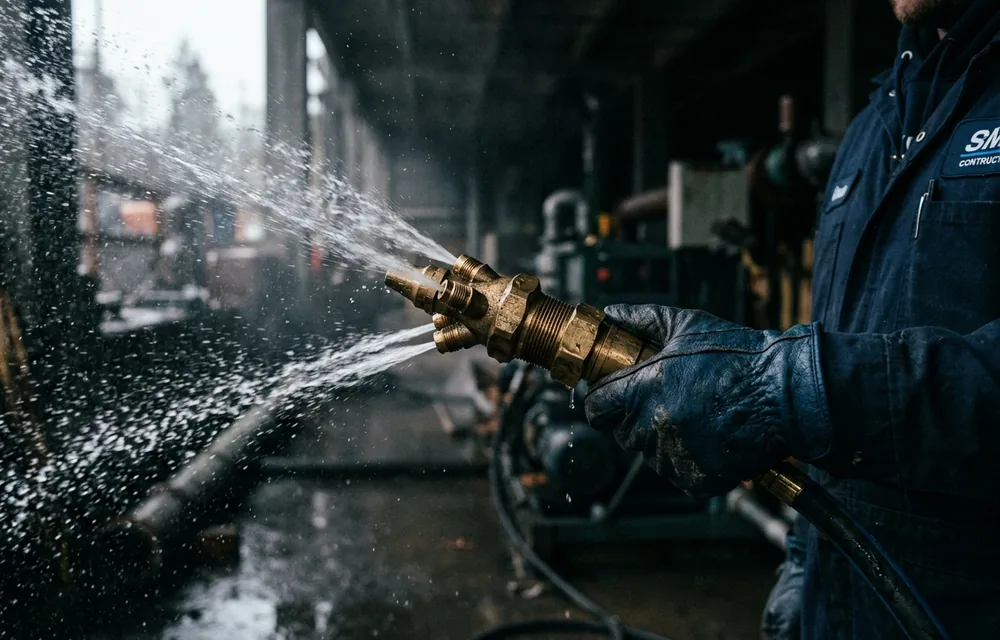
Hydro Jetting
A cable bores a hole through the clog.
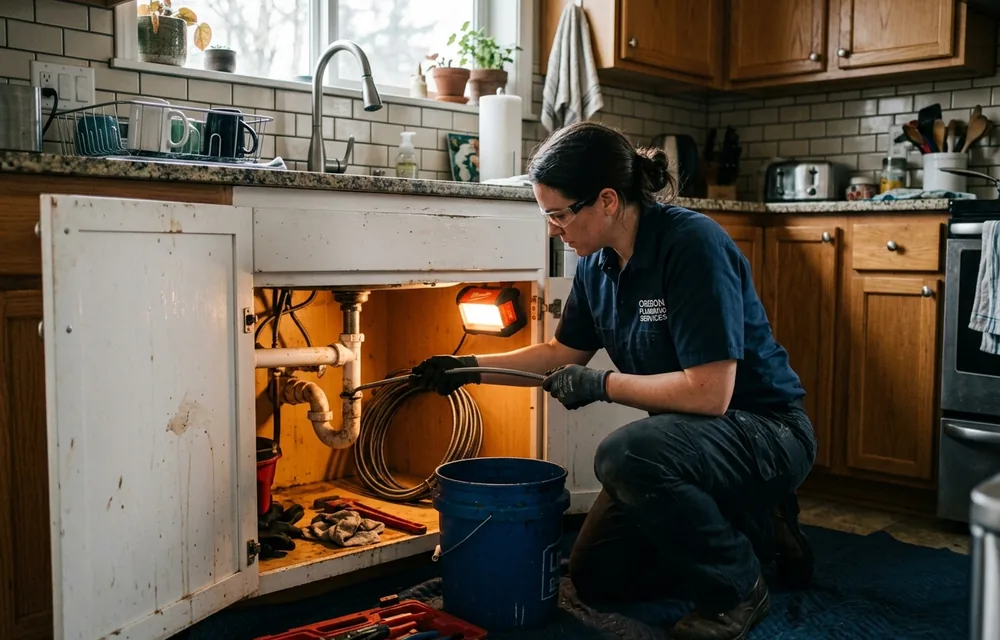
Drain Cleaning
A single slow sink is a nuisance.
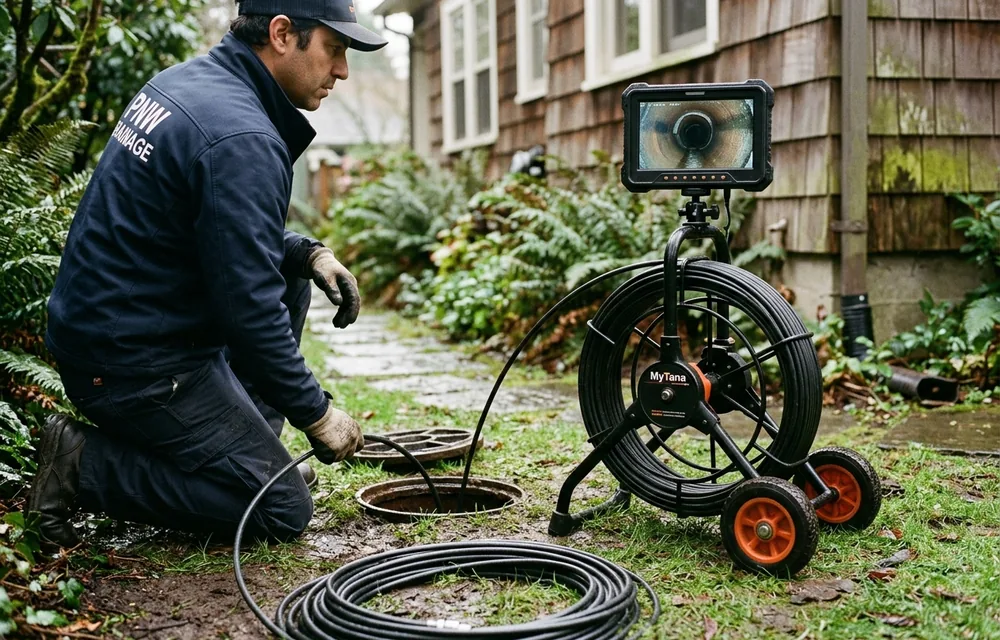
Sewer Camera Inspection
A sewer scope is the cheapest insurance in real estate and the only defensible basis for an excavation quote.
More guides
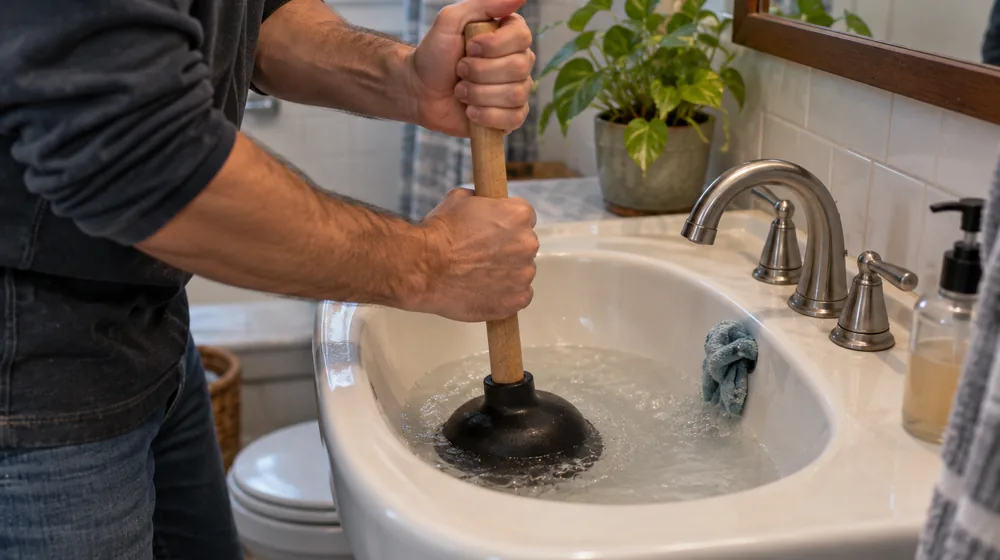
How to Unclog a Drain Yourself (and When to Stop)
Most single-fixture clogs are genuinely a DIY job. Here is what works, in the order a plumber would try it — and the p…
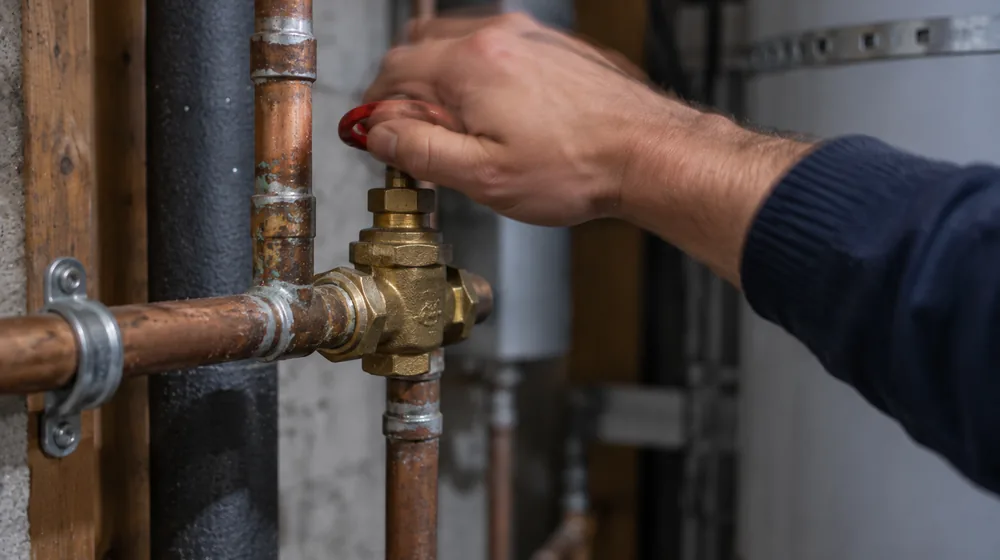
Sewer Backup: What to Do in the First Ten Minutes
A main line backup gets measurably worse with every gallon of water the household uses. What you do in the first ten m…

Winterizing Plumbing in Oregon: A Regional Checklist
Generic winterizing advice is written for the Midwest and it is either overkill or dangerously inadequate depending on…